
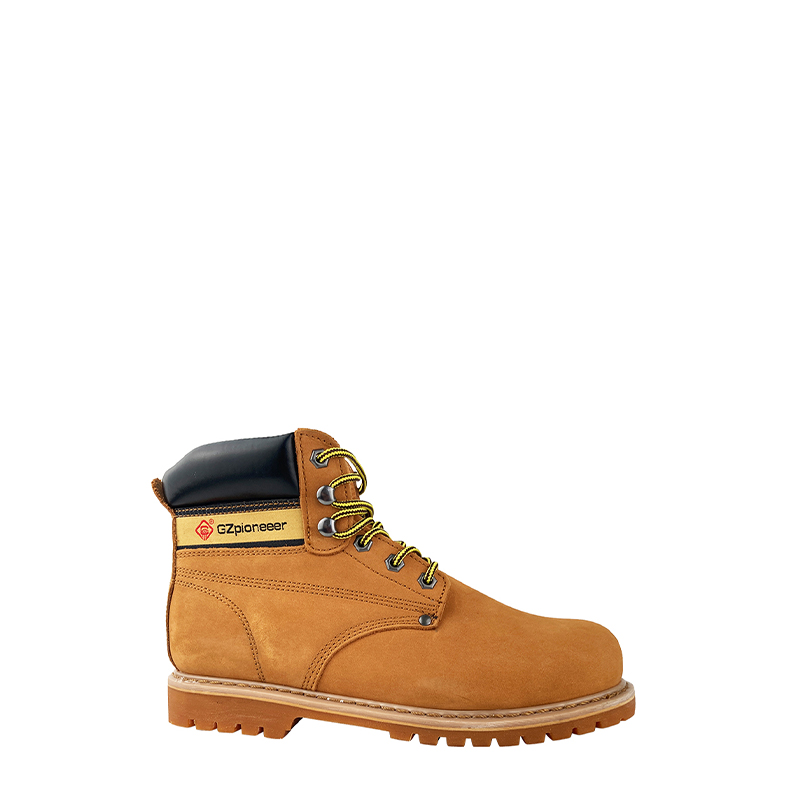
In industries where safety is paramount, particularly in the demanding environments of oilfields, the choice of work boots can make a significant difference in protecting laborers from hazards and enhancing their overall productivity. Recent developments in the design and production of oilfield work boots have marked a turning point in occupational safety standards, offering workers boots that are not only rugged and durable but also smarter and more comfortable.
With the rapid economic development and increasing industrial activities in oilfield exploration and production, the demand for specialized safety footwear has surged. Companies are recognizing that investing in high-quality safety boots is crucial not only to comply with safety regulations but also to safeguard their most valuable asset — their workforce.
### Meeting the Challenges of Oilfield Work
Oilfield environments are notoriously harsh. Workers often face extreme weather conditions, slippery surfaces, sharp tools, heavy machinery, and potential chemical exposure. Footwear for these environments must therefore provide robust protection against various risks, such as impact, punctures, electrical hazards, and slips.
It is no longer sufficient for safety boots to be merely tough; they must incorporate ergonomic designs to reduce fatigue during long shifts. Additionally, enhanced breathability and moisture-wicking features improve comfort when working in hot or wet conditions. This blend of protection and comfort is essential to ensure that workers can focus on their tasks without distraction or discomfort.
### Innovations in Safety Boot Technology
Advancements in material science and manufacturing processes have driven innovations in oilfield work boots. Modern boots often feature composite toe caps as a lighter and non-metallic alternative to traditional steel toes, providing equivalent protection without the weight penalty. Slip-resistant outsoles made from specialized rubber compounds give better traction on oily or wet surfaces, helping to prevent falls.
Waterproof and chemical-resistant membranes help protect feet from corrosive substances commonly encountered in oilfields. In addition, shock-absorbing midsoles and cushioned insoles contribute to reducing foot and joint strain during prolonged standing and walking.
Breathability has been enhanced by using fabrics and linings that allow moisture to escape while keeping external water out, helping maintain a comfortable foot environment. Some advanced models also integrate smart technologies, such as antibacterial treatments or temperature regulation fabrics, reflecting a trend towards ‘smarter’ safety footwear solutions.
### The Role of Manufacturers in Advancing Worker Safety
Manufacturers specializing in safety boots play a pivotal role in raising safety standards within the oil and gas industry. One such example is a leading company based in Tianjin, with a dedicated focus on producing innovative and reliable safety footwear. By prioritizing continuous innovation, this company strives to provide boots that meet and exceed the rigorous demands of oilfield workers.
Their commitment goes beyond manufacturing durable boots; it involves a holistic approach to safety solutions — delivering footwear that combines protection, adaptability, and user comfort. This not only helps reduce workplace injuries but also enhances worker morale and efficiency.
Through research and development, the company continuously refines materials, designs, and production techniques to align with evolving industry needs and safety regulations. By engaging closely with end-users and industry experts, they ensure their products address real-world challenges encountered by workers on the ground.
### Economic Growth Benefits from Enhanced Safety
As oilfield activities expand in response to global energy demands, worker safety remains a priority to sustain this economic growth. Reliable safety boots contribute significantly by lowering injury rates, minimizing downtime, and ensuring compliance with occupational health standards.
Investments in quality foot protection are increasingly viewed as cost-effective measures for companies. The reduced frequency of work-related accidents translates into direct savings on medical expenses and compensation claims. Moreover, improved employee well-being fosters an engaged and productive workforce, which is indispensable for maintaining operational excellence.
### Looking Forward: Towards Safer and Smarter Work Boots
The future of oilfield work boots lies in the seamless integration of safety, comfort, and intelligent features. Emerging technologies such as wearable sensors embedded in footwear promise to monitor environmental conditions, detect hazards, and even provide real-time feedback to workers and supervisors.
The push for sustainable and environmentally friendly materials is also gaining momentum, encouraging manufacturers to adopt eco-conscious production methods without compromising safety standards.
Manufacturers committed to innovation and quality will continue shaping the landscape of safety footwear, setting new benchmarks that protect those who power our energy infrastructure.
### Conclusion
The rigorous demands of oilfield work necessitate footwear that offers comprehensive protection without sacrificing comfort. As economic development intensifies the need for advanced safety solutions, oilfield work boots have evolved into sophisticated equipment engineered to meet these challenges.
Dedicated companies in the safety footwear industry lead the charge through ongoing innovation and a clear commitment to worker safety. Their contributions play a crucial role in fostering safer working environments and supporting sustainable industrial growth.
For workers braving the difficult conditions of oilfields worldwide, the availability of smarter, safer, and more convenient work boots is not just a convenience — it is a critical element of occupational health and operational success.